

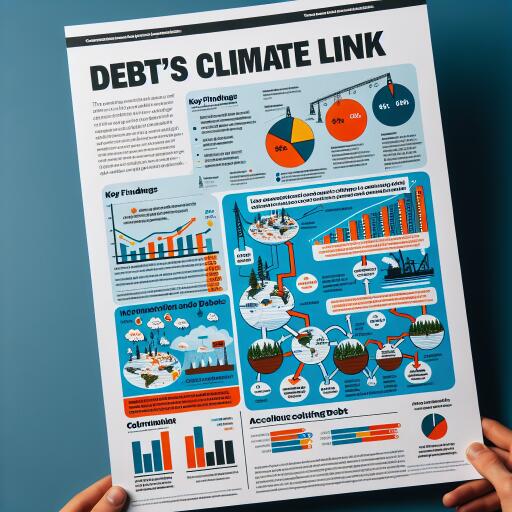
Factsheet: Debt’s Climate Link
The climate crisis presents a dual challenge, particularly for nations within the Global South. Despite having contributed minimally to the climate challenges we face today, these regions endure the most severe consequences. This disparity accentuates the need for a deeper look into the intertwined relationship between sovereign debt burdens and climate finance inadequacies.
For countries in the Global South, finding the resources to effectively tackle climate change is exceptionally challenging. Existing financial support remains far below what is necessary, even as their sovereign debt rises. This financial strain limits their capacity to invest in climate adaptation and resilience, slowing efforts to address both their developmental and environmental needs.
The convergence of these crises demands immediate and fair structural reforms in the global financial system. Key to these reforms is addressing sovereign debt issues that hinder the capacity of these nations to respond proactively to climate exigencies.
Adaptation and resilience-building are crucial elements in preparing for a climate-secure future. However, without targeted finance and supportive international policies, vulnerable countries risk lagging in their efforts towards sustainable development and resilience-building.
Addressing climate and debt crises concurrently ensures that no country is sidelined in transitioning to a sustainable and climate-resilient future. The intersectional nature of these challenges requires equitable climate action; one that transcends traditional frameworks and speaks directly to the core of these systemic issues.
To achieve such holistic solutions, reforming the financial architecture on a global scale is vital. Support mechanisms that respect the sovereign space of these nations while equipping them with the necessary tools to combat climate change are non-negotiable.
By prioritizing sustainable practices through a reformed, fair financial framework, the world community can bridge the current equity gap effectively. This urgent need for systemic change is not only a moral obligation but an ecological imperative.
The call for immediate, coordinated action is clearer than ever. Providing a fair hand in global climate finance, coupled with addressing sovereign debt appropriately, paves the way for an inclusive transition to resilience and sustainability.
Ultimately, by understanding the intricate connection between debt and climate, we can carve out pathways that uplift all nations, especially those that have been disproportionately affected while playing the smallest role in causing the crisis.



Leave a Reply