

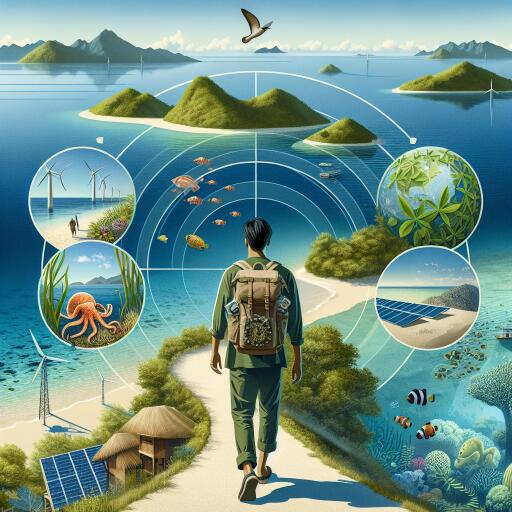
The Path to Sustainability for Sea and Island Tourism
Sea and island tourism stands as a crucial pillar of the tourism industry, but faces several challenges. The following insights explore the potential and solutions for effective development in this sector.
Vast Potential for Marine and Island Tourism
Vietnam’s extensive coastline, abundant sea regions, and numerous islands offer immense potential for developing marine and island tourism. The country’s rich and diverse resources, including natural marine and island attractions, provide a foundation for tourism to become a key economic sector, fostering employment, reducing poverty, and preserving cultural heritage in coastal regions.
Vietnam’s coastal landscape is marked by over 3,260 kilometers of coastline and nearly 3,000 islands. These areas hold significant roles in national defense and security strategies. The picturesque beaches, known for their soft sands and clear waters, stretch from north to south, encompassing famous tourist spots.
Despite these advantages, certain regions experience underdevelopment. Untapped potential remains, and competitiveness can be low. In these areas, development is often spontaneous, fragmented, and inconsistent. Infrastructure investments lag, and tourism services and products are inadequate and degraded. Additionally, promotional efforts are weak, and there is a shortage of skilled personnel.
Local authorities in some regions may not prioritize investing in sea and island tourism as a means to enhance employment, livelihoods, and incomes for local communities. Conflicts among various economic sectors during tourism development can lead to environmental issues and ineffective outcomes.
Enhancing the Sector’s Position
Sea and island tourism accounts for a significant portion of Vietnam’s tourism activities. Since 2023, these activities have comprised roughly 70% of the country’s tourism industry. The period between 2010 and 2019 saw a substantial increase in visitors to coastal locations, with a 13.6% annual rise in foreign tourists.
Tourism destinations like Hạ Long Bay, Lan Hạ Bay, and Cát Bà Island have gained popularity among both domestic and international travelers. International tourist demographics have shifted from mainly former Soviet Union and Eastern European countries to now include visitors from China, South Korea, Australia, New Zealand, ASEAN nations, Europe, and North America.
The drive to diversify tourism products has laid the foundation for broader sector growth, stimulating economic development in key tourist regions and the national economy as a whole. This development also enhances local income and welfare in coastal communities, drives infrastructure improvements, and catalyzes changes in social economies within coastal areas.
Diversifying Tourism Products
The Vietnamese tourism industry has strategically focused on developing a variety of sea and island products to attract more visitors. Tours to UNESCO heritage sites along the coast stand out as popular choices, appealing to both domestic and international tourists. Historical and cultural heritage tours in coastal regions are particularly favored for their simplicity, minimal investment requirements, and potential to engage local communities.
Sightseeing tours are another popular choice for those visiting coastal regions. According to tourism officials, some of the most alluring destinations for these tours include Cô Tô Island, Hạ Long Bay, Lăng Cô, Sơn Trà Peninsula, Nha Trang, and Vĩnh Hy Bay.
Steps for Sustainable Development
To foster sustainable development in sea and island tourism, both local authorities and travel agencies need to stimulate demand with diverse, regionally distinctive tourism products. Collaborating with service providers, restaurants, and hotels for promotions and reduced service rates, while maintaining high-quality service, can be effective strategies.
Developing infrastructure in key locations such as ports, moorings, and wharves, as well as ensuring technical and safety improvements, are critical. Investment in modern, fully equipped tourist ports with high-quality services will also support cruise tourism.
Some regions with strong sea and island tourism potential may consider investing in airports tailored for island conditions, enhancing accessibility from both the mainland and international destinations. Environmental protection and ecosystem preservation should underlie all tourism product developments.
State support in fostering synergies between tourism-related enterprises and other sectors, such as fisheries and maritime services, can further strengthen the industry. While developing tourism activities like resorts and sports services, ecosystem protection and reduced pollution should remain priorities.
Strategic Orientation for Future Trends
For sustainable development aligned with its potential, a strategic focus on several key solutions is vital. Prioritizing green tourism in conjunction with local economic conditions, ensuring adequate electricity and clean water supplies for destinations, harnessing renewable energy, and improving adaptability to climate change are essential steps in this direction.
By addressing these aspects, Vietnam can leverage its vast resources and natural beauty to place sea and island tourism at the forefront of its economic future, ensuring both growth and environmental stewardship.



Leave a Reply